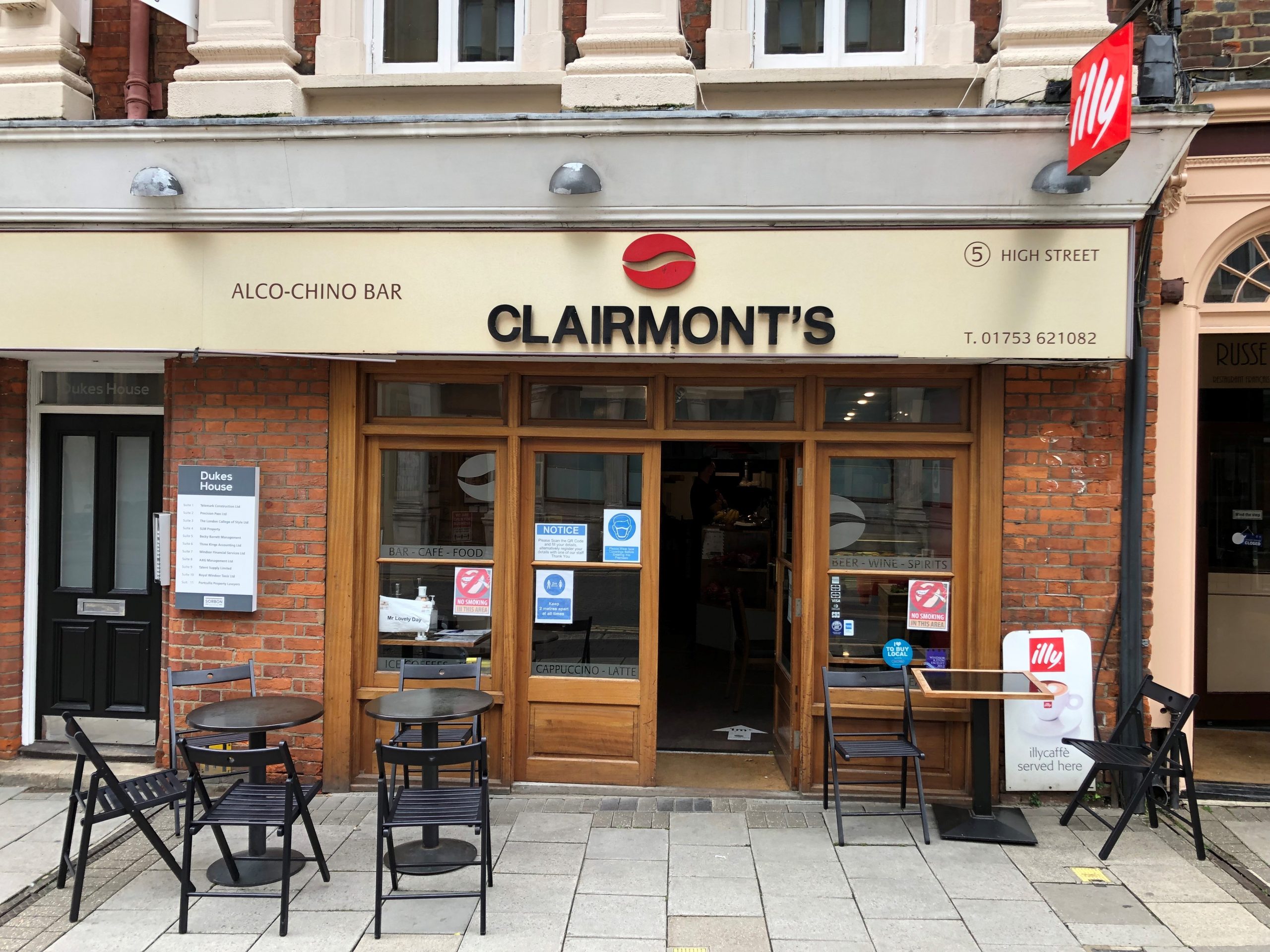
Commercial property location has always mattered, but in today’s market, it plays a bigger role in performance than ever before.
Shifts in working patterns, tenant expectations, transport usage, and local economic activity mean that where a commercial property is located can now determine demand, rental stability, and long-term value.
For landlords and investors, understanding how location influences commercial property returns is no longer optional, it’s essential.
Historically, prime city centres dominated commercial demand. Today, that picture has changed.
Businesses are reassessing space requirements, favouring locations that offer:
flexibility
accessibility
affordability
proximity to customers or workforce
Commercial property location is now judged on usability and relevance, not just reputation.
Areas once considered secondary can outperform traditional hubs if they align with how businesses actually operate today.
Strong transport links remain a key driver of commercial property returns.
Locations with:
reliable public transport
road access
proximity to major routes
pedestrian footfall
continue to attract higher demand and longer tenancies.
However, modern connectivity now also includes digital infrastructure. Fast broadband and reliable mobile coverage are increasingly expected, particularly for office and mixed-use spaces.
A commercial property does not operate in isolation.
Its success is closely tied to:
local employment levels
population growth
consumer spending patterns
regeneration initiatives
Commercial property location within areas benefiting from regeneration or investment often sees stronger rental growth and reduced void periods.
Understanding local economic drivers is just as important as analysing the building itself.
Retail, office, and industrial tenants now prioritise different factors.
Retailers focus on:
convenience
visibility
complementary businesses nearby
Office tenants look for:
flexible layouts
commuter accessibility
lifestyle amenities
Industrial and logistics tenants prioritise:
transport routes
delivery efficiency
operational space
A strong commercial property location aligns with the specific needs of its target tenant type.
Even a well-maintained commercial unit can underperform if its location no longer matches demand.
Common issues include:
declining footfall
poor access
limited nearby amenities
changing zoning or planning use
These factors can restrict rental growth, increase void periods, and reduce exit value.
Location mistakes are often difficult and costly to correct later.
Assessing commercial property location today requires more than surface-level research.
Professional management and market insight help landlords:
analyse tenant demand
assess future growth potential
price realistically
reduce void risk
protect long-term returns
Understanding how location interacts with market shifts is key to making informed decisions.
At Castle Properties, we help landlords assess commercial property location alongside operational performance, tenant demand, and long-term strategy.
Our approach focuses on:
protecting returns
reducing risk
supporting sustainable income
adapting to changing market conditions
So your property remains competitive, not just occupied.
DM us on LinkedIn to discuss how location, demand, and professional management impact commercial property returns.
No pressure – just clear, practical insight.